Published
You Bought a Mixed Spore Tray: When to Split It, and What the Label Can Tell You
A mixed spore tray sells odds, not a fixed variety. A gap of a year or more between sowing and sale is common and not a red flag — frond firmness and the growing point matter more than the calendar. Split the tray as soon as it arrives.
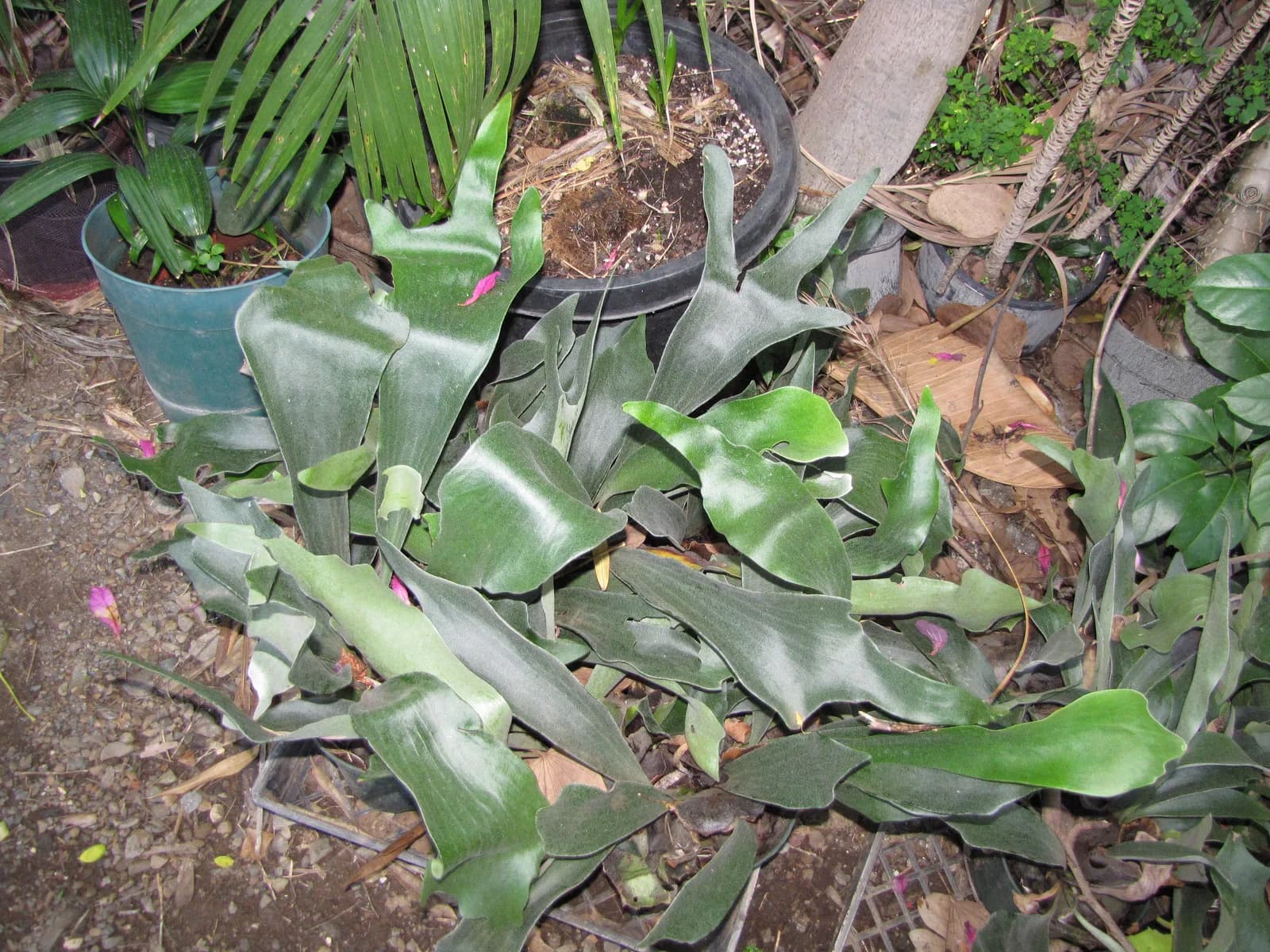
What "Mixed Sporeling" Actually Means
A mixed spore tray is grown by scattering spores from two different varieties across the same tray of medium in roughly equal proportion, letting them germinate and grow together. The tray ends up as a mixed population of both parent lines — a seller can tell you which two varieties were sown, but cannot point to any individual seedling and say which side it came from. Buying a mixed tray means buying odds and the pleasure of sorting it out later, not a fixed variety. Anyone who wants the exact look shown in a photo should look for an individually photographed plant or a pup, not a mixed tray.
A Long Gap Between Sowing and Sale Is Not a Red Flag
Mixed trays are often labelled with a sowing date, and a gap of over a year between sowing and sale is not unusual — usually because the grower ran out of space and delayed splitting, not because anything is wrong with the seedlings. The number of months on its own tells you nothing useful; what actually matters is whether the fronds sit firm, whether the growing points show yellowing or rot, and whether the roots hold the medium together. If those check out, the time elapsed doesn't change how the tray will grow on from here. And if the growing points look a little less vivid than expected on arrival, that alone isn't cause for concern — give it a week or two and watch how the next fronds come in first.
Split the Tray as Soon as It Arrives
Roots left crowded together for a long stretch tangle into each other, and as density climbs, airflow drops and every seedling is competing for the same water. If the tray sours, it tends to go all at once rather than one seedling at a time. That's the reason to split a mixed tray as soon as it arrives rather than leaving it as it came.
Splitting It, and Caring for Each Seedling After
Soak the whole medium thoroughly before splitting, so the sphagnum or substrate loosens up, then tease the seedlings apart slowly along the natural direction of their roots rather than pulling. Once split, each seedling goes back to standard sporeling care: bright indirect light, misting rather than soaking the whole pot, steady humidity, and a settling-in period before adding more light or fertiliser. If a few fronds show minor scuffing or creases on arrival, that's usually just normal wear from transit, unrelated to the plant's underlying quality — not a reason to lose confidence in the whole batch.
Variety traits are nearly impossible to tell apart before fertile fronds appear, and usually take a season or two of new growth to start showing. That wait is part of what makes a mixed tray worth the gamble.
The difference between pups, sporelings and tissue culture is covered in Pups, Sporelings and Tissue Culture; potted-stage care is in Seedling Pot Care; reading a seller's listing and provenance claims is covered in How to Read a Plant Listing.
FAQ
Can I request a specific variety from a mixed spore tray?
No. A mixed tray is sown with spores from two varieties in roughly equal proportion; a seller can say which two were sown but cannot identify which seedling belongs to which side. You're buying odds, not a fixed variety.
Does a long gap between the sowing date and sale mean something is wrong?
Not necessarily. It's usually because the grower ran out of space and delayed splitting. The number of months doesn't matter on its own — check frond firmness, whether the growing point shows yellowing or rot, and root vigour instead.
Should I split a mixed tray as soon as it arrives?
Yes, as soon as practical. Long-crowded roots tangle together, airflow drops, and seedlings compete for water — if the tray sours it tends to go all at once. Soak the medium thoroughly first, then tease seedlings apart along the direction of their roots.